SHARE:  

View as webpage

LOTL-header_2021.png

UNIVERSITY OF ARIZONA

JAMES E. ROGERS COLLEGE OF LAW


MARCH 11, 2026

UPCOMING EVENTS

Mar. 17

Program in Criminal Law and Policy Speaker Series with Laura Conover

Apr. 3

A.I.: American Indian Governance in the Age of Artificial Intelligence

Apr. 13

Can Electoral Reform Save American Democracy? A Conversation on Election Law

Greetings,


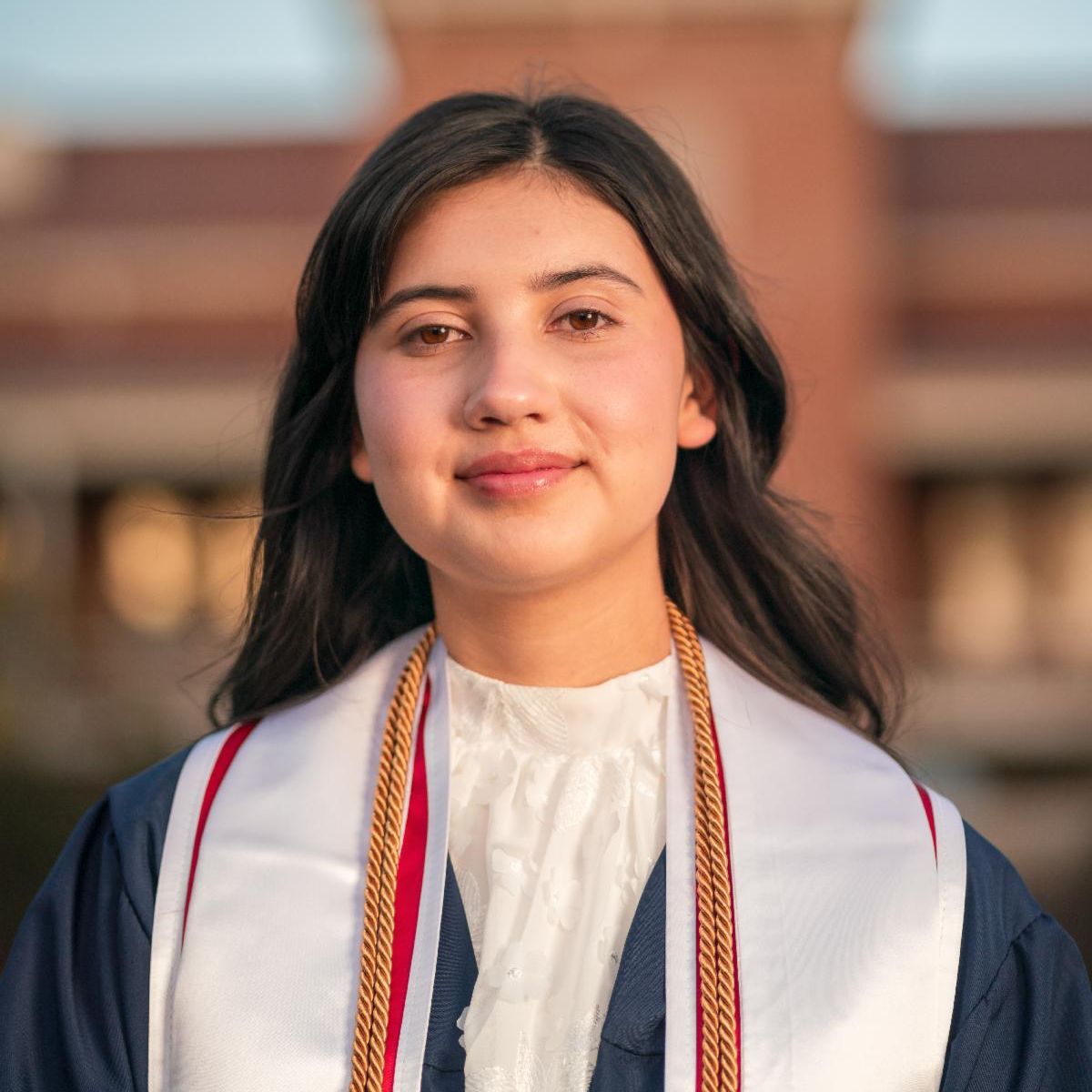
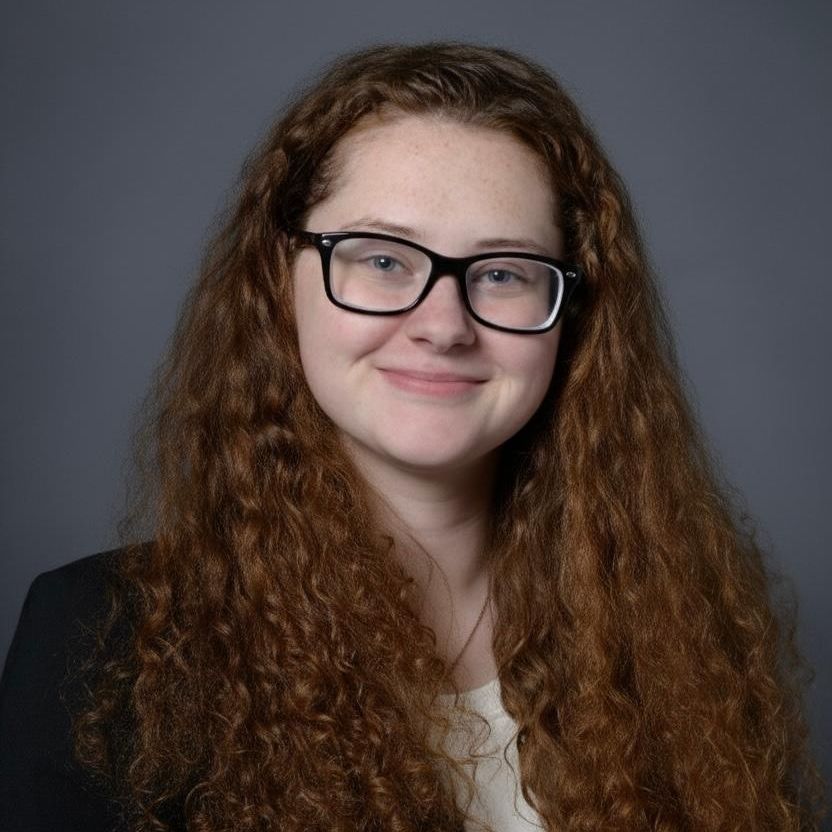
Today we feature Sarah Alvarez and Emily Villazon, the new Marshall Fellows of the Education Advocacy Clinic. With the support of the Marshall Fellows and the leadership of Sarah and Emily, the clinic is expanding its support for students with disabilities.

Read on,

Jason

FEATURE

Education Advocacy Clinic Expands Reach with First Two Marshall Fellows

The Education Advocacy Clinic is expanding its impact for children with disabilities in Southern Arizona through the support of the Marshall Foundation and the leadership of the clinic’s first two Marshall Fellows, third-year law student Sarah Alvarez and Master of Legal Studies (MLS) student Emily Villazon


The clinic, which provides no-cost legal services to children in Tucson’s K-12 schools, received a grant from the Marshall Foundation to expand access to justice for students with disabilities. The grant also formalizes and deepens the clinic’s partnership with Disability Rights Arizona (DRAZ), a nonprofit law firm that provides no-cost legal representation, protection and advocacy within disability rights.  


As the Marshall Fellows, Alvarez and Villazon have played a central role in strengthening that collaboration through casework, trainings and community outreach, serving as key bridges between the clinic, community partners and the families they support. 


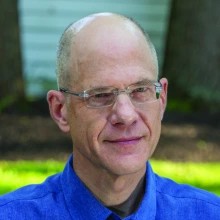
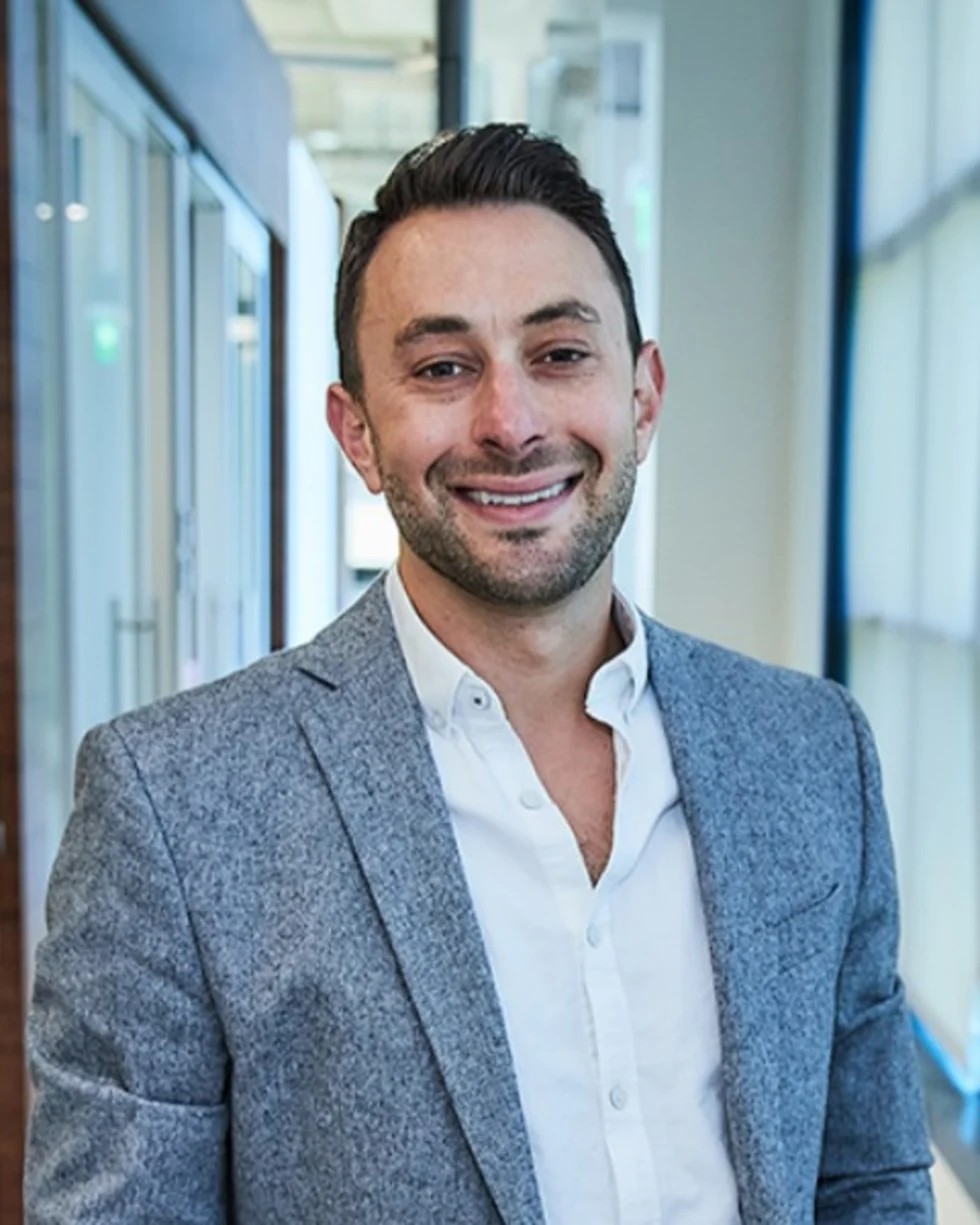
Alvarez (above, left), a Tucson native, had long been interested in the legal field. After majoring in law as an undergraduate at the University of Arizona, she spent a year working at the Pima County Superior Court Law Library, an experience that solidified her desire to pursue a legal career focused on public service.


“The only thing you do there is help people who are representing themselves,” says Alvarez. “I just wanted to do more for those people. So, that’s the reason I went to law school, to help them maneuver in the legal system.”


Villazon (above, right), who also majored in law as an undergraduate at the University of Arizona, says her passion and commitment to special education advocacy stems from watching her family navigate special education rights.


“I grew up watching my parents fight for my brother’s special educational rights no matter how hard it was. Seeing the challenges that students with disabilities face moved me to do what I can to make a difference,” says Villazon.  


See the full story to learn more about the fellows and the impact of the Marshall Foundation.

FROM THE COLLEGE

Collaboration Promotes “Ground Shift” in Public Land Management

The College of Law’s Environmental Law, Science & Policy Program has become one of seven academic partners for Ground Shift, a new, cross-partisan project focused on rethinking how America manages its public lands and waters to meet the challenges of the 21st century.


Ground Shift is based on the idea that immense challenges facing America’s public lands and waters today cannot be solved with yesterday’s playbook. According to the project website, “We need ideas that are big enough, innovative enough and transformative enough to meet the needs of our time.”


Ground Shift is led by an Advisory Council of thought leaders, including John Podesta (former advisor to Presidents Biden, Obama and Clinton), Lynn Scarlet (former Interior Department deputy secretary during the W. Bush Administration), Tracy Stone-Manning (current president of the Wilderness Society and former director of the Bureau of Land Management) and others.


Along with Arizona Law, academic partners include the Getches-Wilkinson Center at Colorado Law School, the Emmett Environmental Law Center at Harvard Law School and the Stegner Center at the University of Utah S.J. Quinney College of Law.


Among the first essays published by the new collaborative is Professor Justin Pidot’s essay “Rethinking Multiple Use Management of America’s Public Lands.” The essay, drawing on Professor Pidot’s experience as general counsel at the White House Counsel on Environmental Quality and as Deputy Solicitor for Lands at the Department of the Interior, contends that federal agencies applying the current paradigm of multiple use management have become “paralyzed by a paradox of choice, overwhelmed by competing demands and legal requirements, and buffeted by shifting political winds.” Professor Pidot argues that identifying a primary purpose for more public lands “could simplify and better focus agency management decisions.”

Prof. Foley Contributes Chapter to Book on Primary Election Reform

Visiting Professor Ned Foley contributed a chapter to a just-published volume “Reforming Primary Elections: Voters, Campaigns, and the Future of Congressional Politics.” His chapter is “Holding a Round-Robin Tournament Among All the Candidates: Optimizing Round One of a Two-Round Electoral System.”


Professor Foley’s chapter addresses a challenge that arises when the candidates that win each party’s primary may not be the candidates that a majority of voters would prefer in the general election. He proposes a system in which, rather than partisan primaries, the first round of elections would serve to narrow down the most popular candidates of any party.


“While primaries are largely perceived as partisan procedures, because they usually exist to determine a political party’s nominee so that the nominee appears on the general election ballot, primaries in fact are government-run affairs,” Foley wrote. “Thus, they need to serve appropriate government purposes related to the overall conduct of the government’s electoral system.”


During his three-year residency as a visiting professor at Arizona Law, Foley will be participating in a number of events highlighting his election law expertise, including an upcoming event co-sponsored by the Federalist Society and the American Constitutional Society and a conversation with Professor Andrew Coan about Foley’s forthcoming book “‘The Real Preference of the Voters’: Madison’s Ultimate Electoral Insight and Its Relevance for Revitalizing America’s Democracy.”

Alumnus Becomes President of San Diego Bar’s Charitable Arm

Nearly 900 Arizona Law alumni currently live in California, a network that includes leaders across the legal profession, public service and business.


The LawCat presence is strong in San Diego, where Double Wildcat Scott Schindler (BS ’08, JD ’12) recently took the helm as the 2026 president of the San Diego County Bar Foundation.


According to its website, the foundation was founded to promote access to justice for underserved populations and has awarded more than $6.4 in grants to nonprofit legal services organizations. Schindler hopes to increase the organization’s visibility and continue to build a network committed to justice.


Currently, Schindler is a Tenant Representation Broker and Managing Director at global real estate firm JLL. While his career for the past ten years has moved away from active law practice, he says he maintains ties with the legal community, including some of the many Arizona Law alumni in the area.

IN THE NEWS

Haury award honors team behind Navajo Nation water resources library preservation project

Navajo Times, featuring Jessica Ugstad and Teresa Miguel-Stearns


Trump fast-tracked a Utah uranium mine in 11 days. Tribes call it a rubber stamp

KUER, quoting Justin Pidot


Supreme Court weighs pipeline deadline fight with stakes far beyond the Straits of Mackinac

The Fulcrum, quoting Justin Pidot


Portland’s DA froze an elected judge out of serious cases. Legal experts are divided on his reasoning

The Oregonian, quoting Keith Swisher

Do You Have News?


Your success is the college’s success and we want to celebrate with you! If you have landed a new job, received an award or recognition, stepped into a leadership role or have good news in general, let us know.

Facebook, @Native Nations Institute

LawCats lead in scholarship and service. From education to the environment to elections, members of our community are advancing ideas and advocacy.

Onward,

Jason

Facebook      Twitter      Instagram      YouTube